
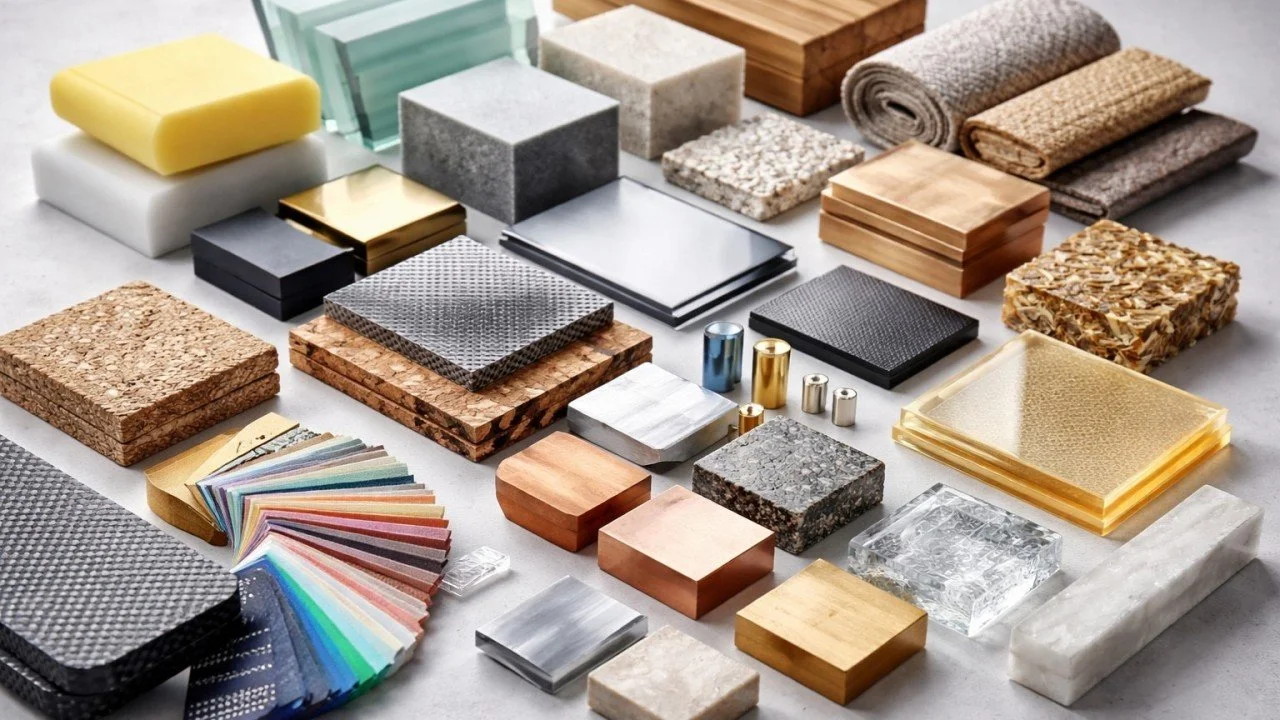
Choosing The Right Materials For Your Design
Choosing the correct material for your application is a critical step in ensuring part performance, reliability, and longevity. The right material must meet the mechanical requirements of the job—such as strength, hardness, weight, and wear resistance—while also accounting for environmental factors like temperature, moisture, corrosion, and chemical exposure. For example, aluminum is often selected for its lightweight strength and machinability, while stainless steel is preferred in corrosive or hygienic environments. Understanding how a material will behave under real-world operating conditions helps prevent premature failure and reduces long-term maintenance costs.
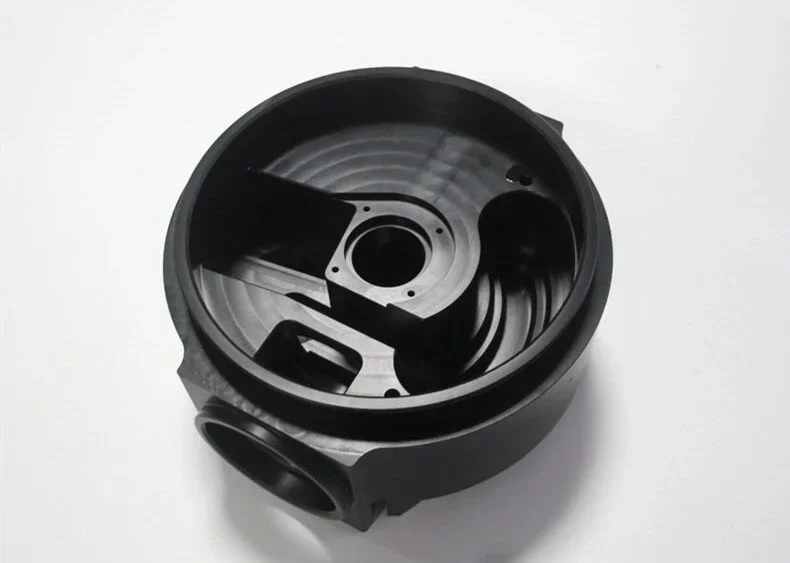
Plastics in Manufacturing: Design, Performance, and Machining Advantages
Engineering plastics are lightweight, cost-effective, and resistant to chemicals and wear. They are ideal for non-conductive, low-friction, or impact-resistant components.
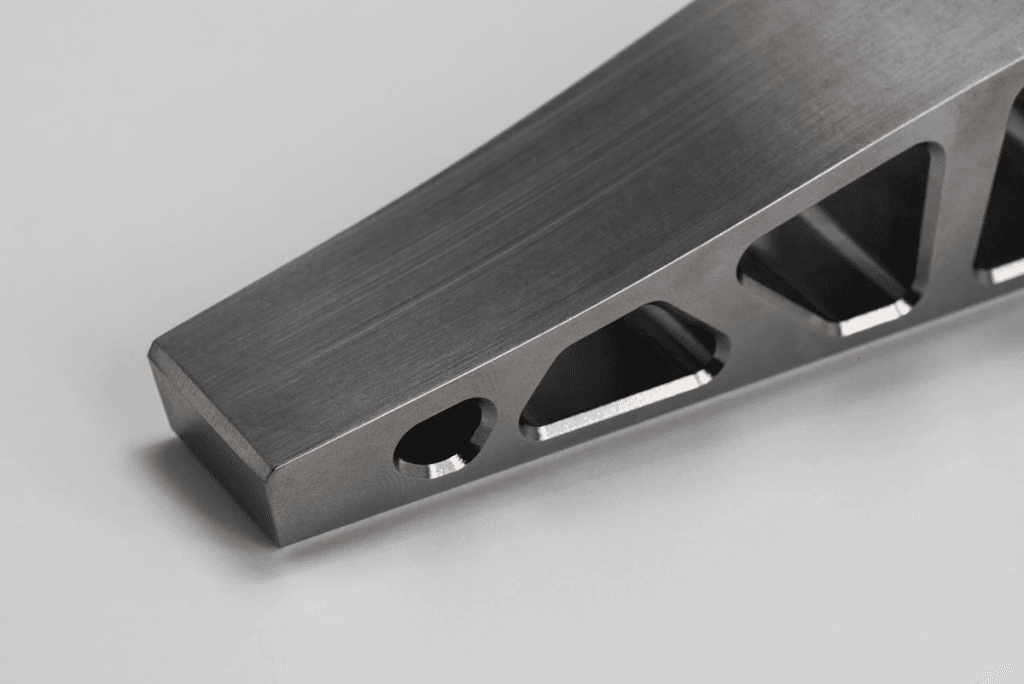
Titanium in Manufacturing: Design, Performance, and Machining Advantages
Titanium combines extreme strength with low weight and outstanding corrosion resistance. It is well suited for aerospace, medical, and high-performance environments where reliability is critical.

Copper in Manufacturing: Design, Performance, and Machining Advantages
Copper is known for its exceptional electrical and thermal conductivity. It is commonly used in electrical, heat transfer, and high-performance conductivity applications.
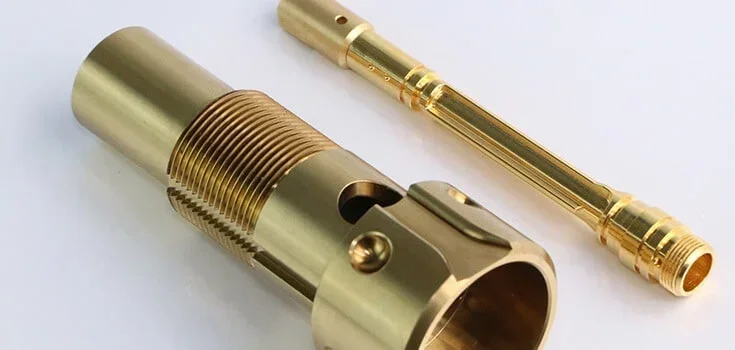
Brass in Manufacturing: Design, Performance, and Machining Advantages
Brass machines easily and delivers tight tolerances with excellent surface finishes. It also offers good corrosion resistance and electrical conductivity, making it ideal for fittings and components.
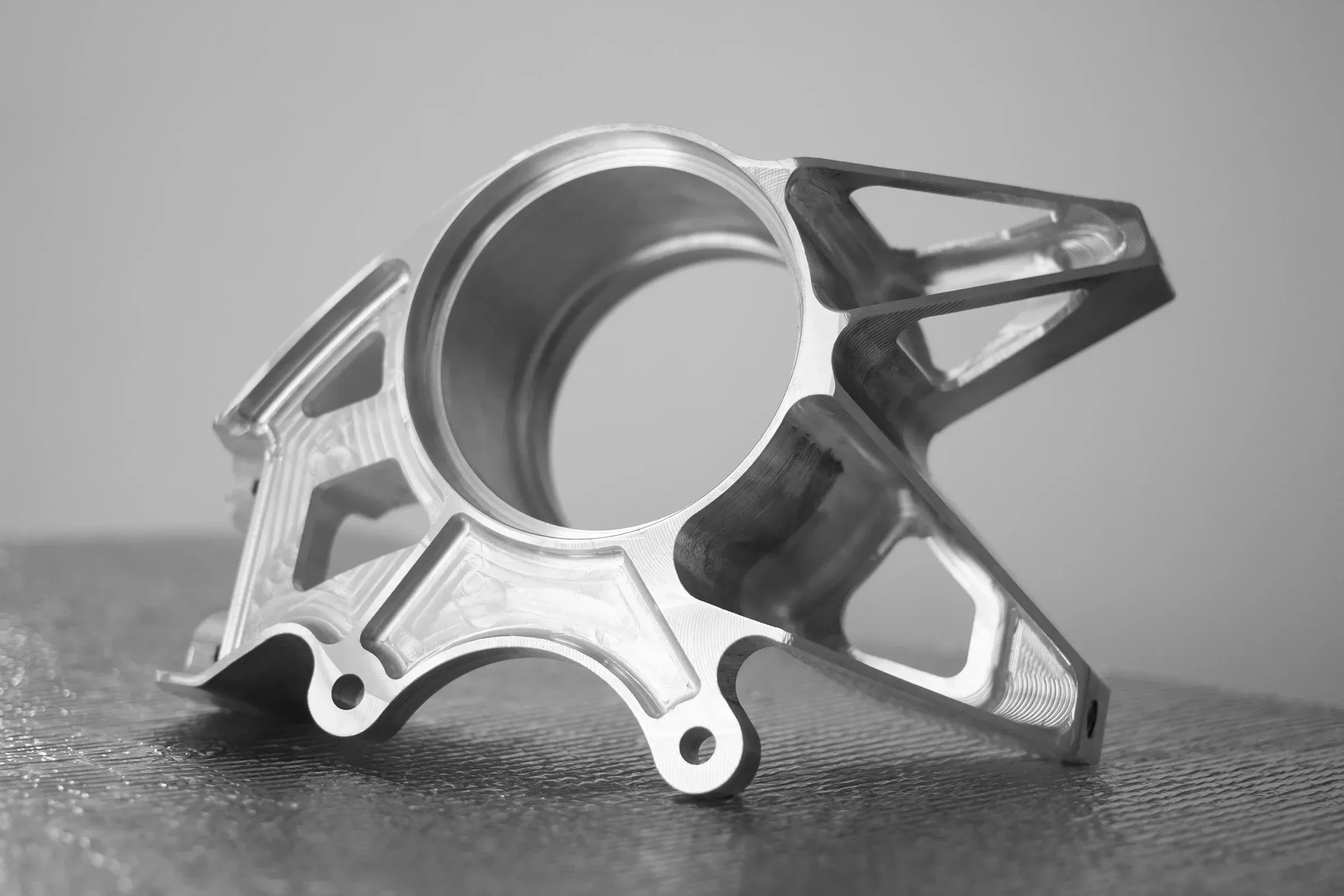
Stainless Steel in Manufacturing: Design, Performance, and Machining Advantages
Stainless steel is valued for its superior corrosion resistance and long service life. It performs well in harsh, sanitary, or high-temperature environments while maintaining strength and appearance.
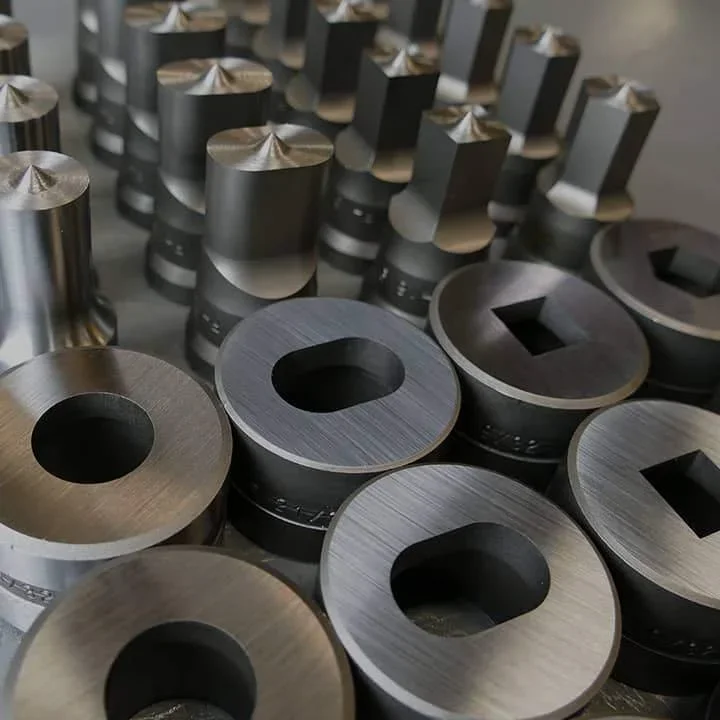
Tool steel in Manufacturing: Design, Performance, and Machining Advantages
Tool steel offers superior hardness, wear resistance, and strength at elevated temperatures. It is commonly used for tooling, dies, molds, and high-wear components.
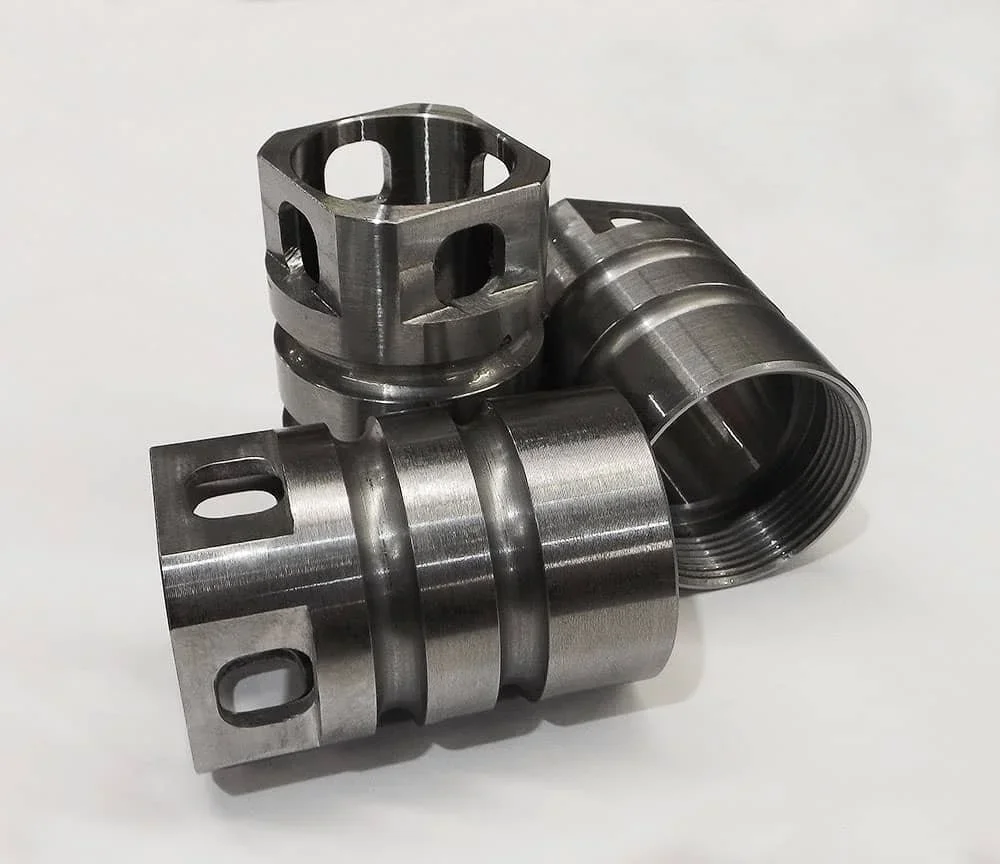
Carbon steel in Manufacturing: Design, Performance, and Machining Advantages
Carbon steel provides high strength and durability at a lower material cost. It is commonly used for heavy-duty components where wear resistance and structural integrity are critical.
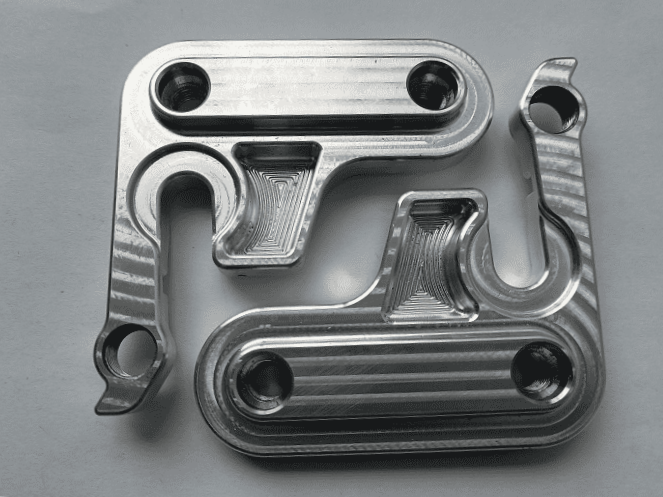
Aluminum in Manufacturing: Design, Performance, and Machining Advantages
Aluminum’s combination of light weight, high strength-to-weight ratio, corrosion resistance, and excellent thermal and electrical conductivity makes it a go-to material across aerospace, HVAC, metrology, and general manufacturing; it is machined into structural airframe components, heat exchangers, casings, precision metrology fixtures, and lightweight assemblies where tight tolerances and surface finish matter. Its formability and recyclability enable efficient sheet forming, extrusion, forging, and die-casting processes, while CNC machining, secondary finishing, and advanced joining techniques (welding, adhesive bonding, and mechanical fastening) allow manufacturers to meet demanding performance, weight, and longevity requirements. Proper alloy selection, heat treatment, and surface protection are critical to optimize strength, fatigue life, and corrosion resistance for each application, and precision metrology and quality control ensure parts meet specified tolerances for reliable field performance.

Comparing Surface Finish, Surface Roughness, and Surface Texture
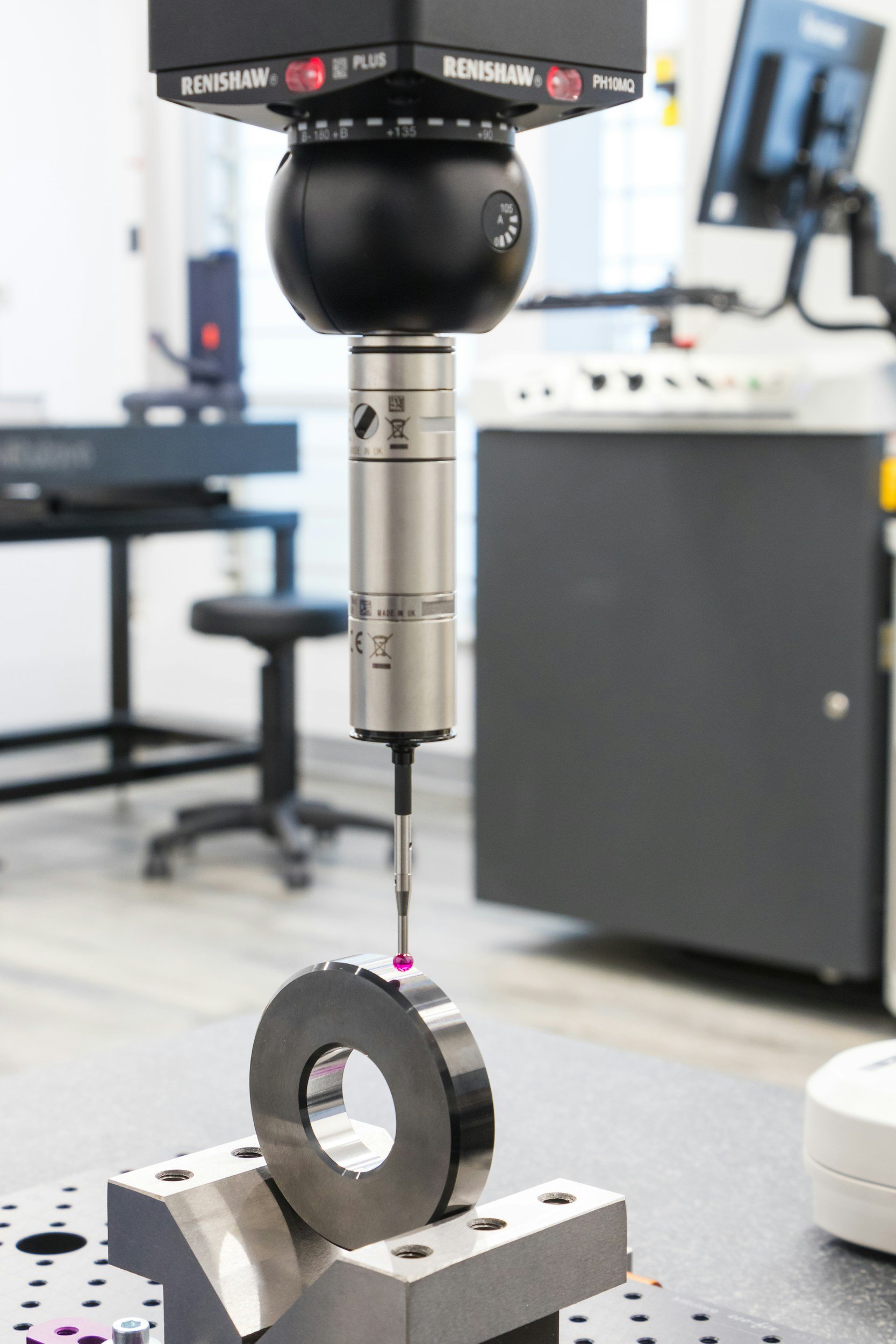
In the world of manufacturing and materials science, the terms surface finish, surface roughness, and surface texture are frequently used. While they are all related to the properties of a material's surface, they each describe different characteristics.