
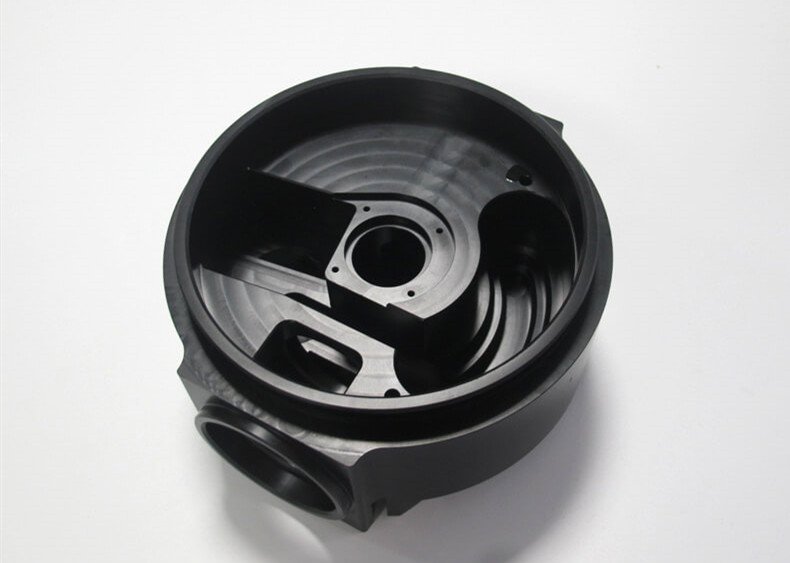
Plastics in Manufacturing: Design, Performance, and Machining Advantages
Engineering plastics such as ABS, Nylon, Delrin (Acetal), and Polycarbonate are widely used in CNC machining for their lightweight properties, versatility, and cost efficiency. These materials are common in industries including electronics, automotive, medical, industrial equipment, and consumer products. Plastics offer excellent resistance to corrosion and chemicals while providing design flexibility that metals often cannot.
Another major advantage of plastics is their ability to meet functional requirements without the added weight or cost of metal components. Many plastics provide natural electrical insulation, low friction, and impact resistance, making them ideal for housings, wear parts, and precision components. When properly selected, plastic materials can deliver reliable performance while simplifying manufacturing and assembly.
Common Plastic Types and Their Uses
Each plastic material offers distinct mechanical and performance characteristics, making proper material selection critical. Understanding how these plastics behave under load, temperature, and environmental exposure ensures the finished part performs as intended.
ABS is known for its toughness, impact resistance, and ease of machining, making it ideal for enclosures, housings, and prototype parts. Nylon offers excellent strength, wear resistance, and low friction, commonly used for gears, bushings, and sliding components. Delrin (Acetal) provides high stiffness, dimensional stability, and low moisture absorption, making it ideal for precision parts, bearings, and tight-tolerance components. Polycarbonate is valued for its exceptional impact resistance and clarity, often used in protective covers, guards, and transparent components.
Designing Parts with Plastics
Designing parts with plastics requires careful consideration of mechanical loads, temperature, and environmental conditions. Plastics can flex under load, so wall thickness, ribbing, and support features are often used to improve strength and stiffness. Designers can also take advantage of plastics’ lightweight nature to reduce overall system weight and improve efficiency.
From a manufacturing perspective, plastics allow for complex geometries and tight tolerances when designed correctly. Sharp internal corners should be avoided, and uniform wall thickness helps prevent warping or stress buildup. Selecting the right plastic for the application ensures durability while keeping machining time and costs under control.
Machining Plastics
Machining plastics differs significantly from machining metals. Plastics require sharp tools, controlled cutting speeds, and proper chip evacuation to prevent melting, tearing, or poor surface finishes. Because plastics are softer, they generally machine quickly and place less stress on cutting tools.
CNC machining produces clean, accurate plastic components with excellent repeatability. Plastics respond well to secondary operations such as polishing, bonding, and light finishing. When machined correctly, plastic parts offer a cost-effective, lightweight alternative to metal while still meeting demanding functional and dimensional requirements.