
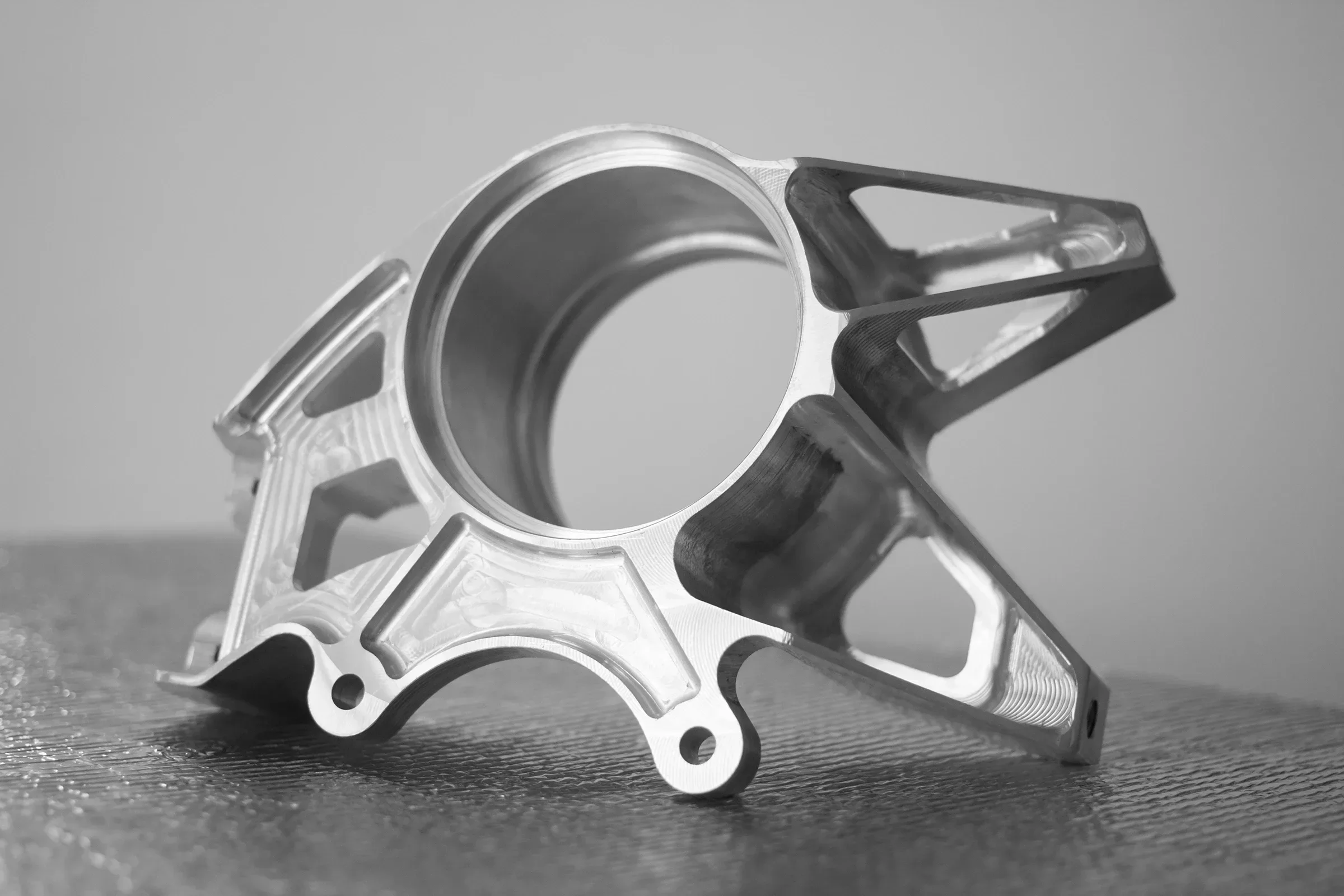
stainless steel in Manufacturing: Design, Performance, and Machining Advantages
Stainless steel is widely used in manufacturing for its excellent corrosion resistance, strength, and long-term durability. Its ability to withstand moisture, chemicals, and extreme temperatures makes it a preferred material in industries such as food processing, medical, marine, chemical processing, and industrial equipment manufacturing. Unlike carbon steel, stainless steel maintains its integrity and appearance even in harsh or sanitary environments.
Another major advantage of stainless steel is its versatility. With a wide range of alloys available, manufacturers can balance corrosion resistance, strength, machinability, and cost to suit specific applications. While stainless steel typically costs more and machines slower than aluminum or carbon steel, its extended service life and reduced maintenance often justify the investment.
Common Stainless Steel Grades and Their Uses
Stainless steel grades are grouped by their alloy structure, with austenitic, martensitic, and precipitation-hardened steels being the most commonly machined. Selecting the proper grade is critical to achieving the desired combination of strength, corrosion resistance, and machinability.
304 and 303 stainless steel are the most common grades and offers excellent corrosion resistance and good machinability, making it ideal for general-purpose components, enclosures, and food-grade applications. 316 stainless steel provides enhanced corrosion resistance, especially against chlorides and chemicals, making it well suited for marine, medical, and chemical-processing environments. 410 and 420 stainless steels are martensitic grades known for higher hardness and wear resistance, often used for shafts, valves, and tooling components. 17-4 PH stainless steel offers high strength and hardness with good corrosion resistance, making it popular in aerospace and high-performance industrial applications.
Designing Parts with Stainless Steel
Designing parts with stainless steel requires careful consideration of strength, corrosion exposure, and operating conditions. Stainless steel performs well in load-bearing applications while maintaining resistance to rust and chemical attack. Designers often choose stainless steel for components that must remain clean, structurally sound, and visually appealing over long service lives.
From a manufacturing perspective, stainless steel requires thoughtful design to control cost and machining time. Generous radii, realistic tolerances, and uniform wall thicknesses help improve machinability and reduce tool wear. Designers may also need to consider work hardening, a common characteristic of stainless steel, by avoiding unnecessary tool passes and sharp internal corners.
Machining Stainless Steel
Machining stainless steel is more demanding than machining aluminum due to its toughness and tendency to work harden. Slower cutting speeds, rigid setups, and sharp tooling are required to maintain accuracy and prevent excessive tool wear. Proper coolant application is essential to manage heat and achieve consistent surface finishes.
Despite these challenges, CNC machining allows stainless steel components to be produced with excellent precision and repeatability. Stainless steel responds well to secondary operations such as passivation, polishing, bead blasting, and heat treating, depending on the grade. When machined correctly, stainless steel delivers strong, corrosion-resistant parts that perform reliably in demanding and high-exposure environments.